Let communities lead
Local leaders identify priorities, shape proposed activities, and help define what meaningful progress looks like.
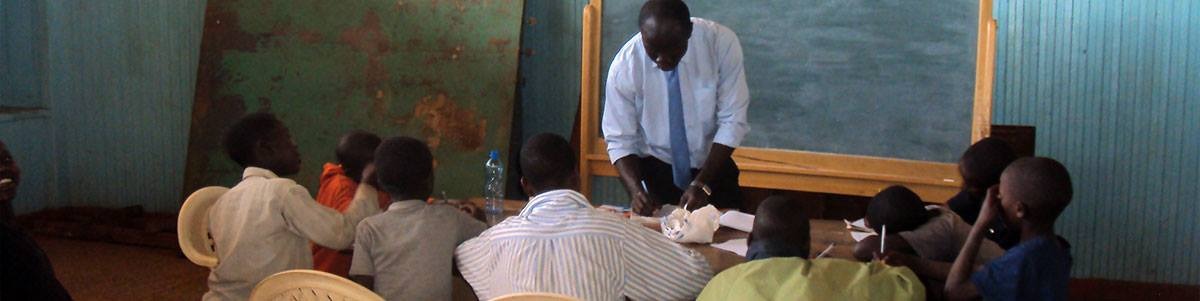
Volunteers Without Borders Kenya brings volunteers, donors, and local leaders together to strengthen education, health, youth opportunity, environmental care, and income-generating community assets.
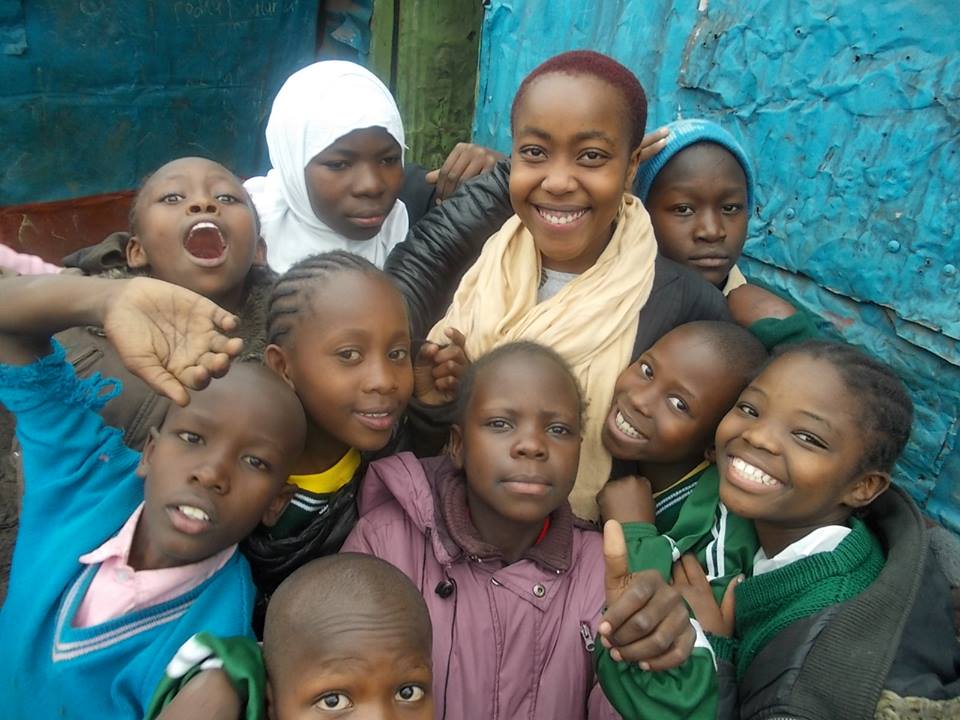
Volunteers Without Borders Kenya is an organization dedicated to bringing together volunteers from all over the world to serve communities in Kenya. It lays out initiatives aimed at harnessing hands-on volunteer experience to make a positive impact on local communities.
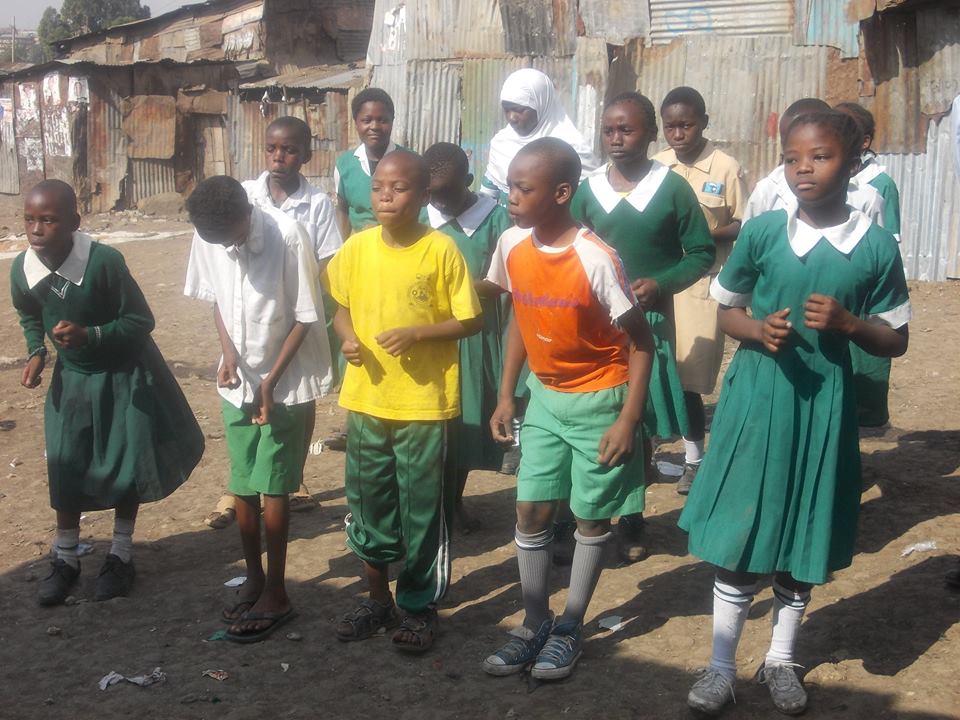
The organization addresses urgent needs among marginalized communities by working on cross-cutting issues such as poverty, education, healthcare, basic human needs, environmental sustainability, and local livelihoods. VWB Kenya works closely with communities, community-based organizations, and local authorities through a participatory approach.
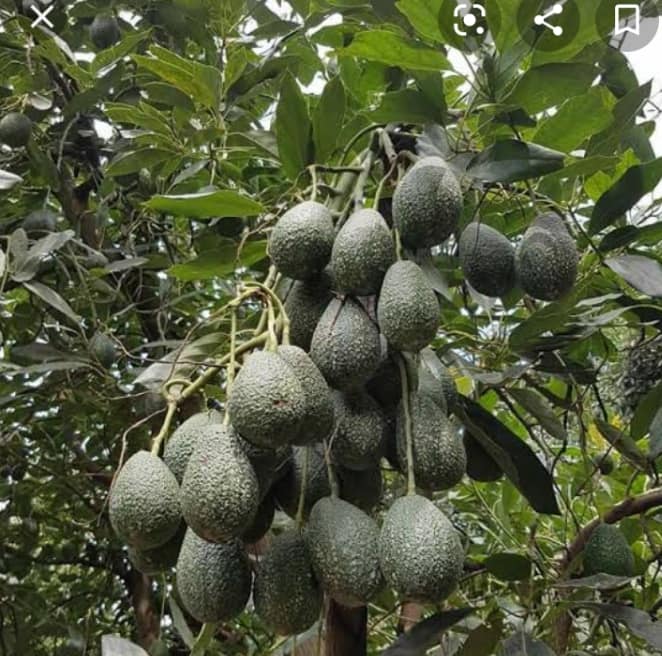
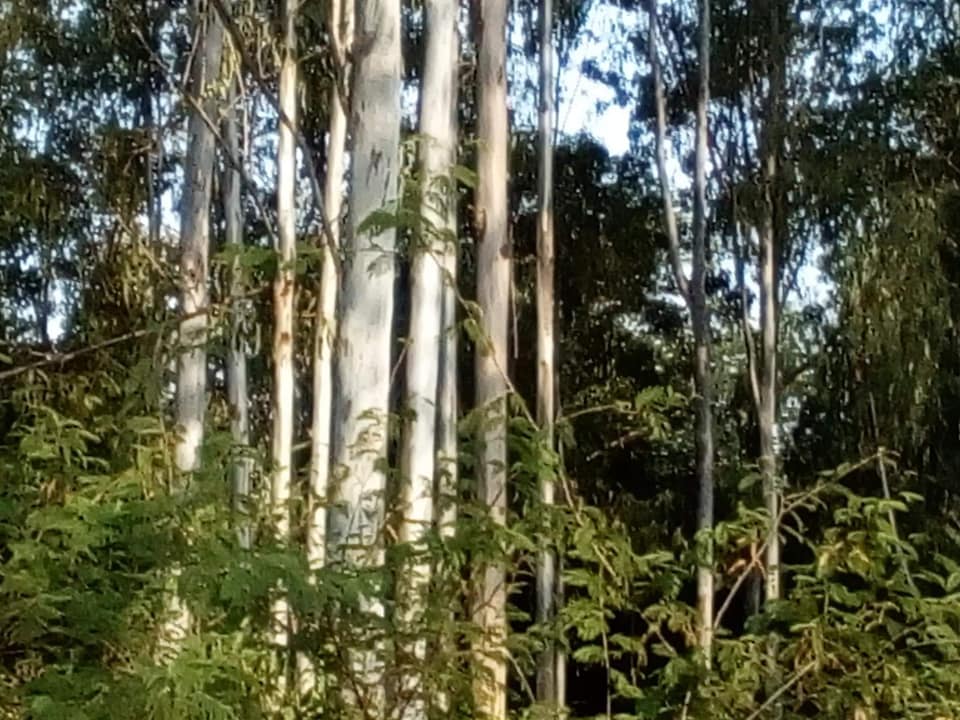
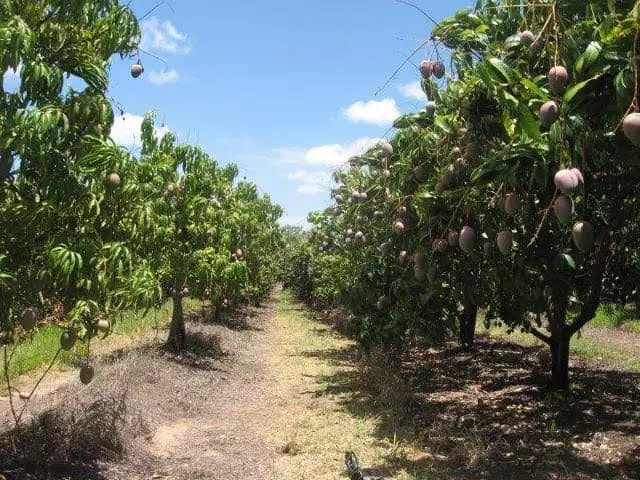
The current funding need is not only program support. VWB Kenya is also developing revenue-generating assets, including leased land for avocado cultivation and a Blue Gum Eucalyptus conservation project, so the organization can fund more of its mission locally over time.
CivicCanopy brings a community-led partnership approach to Volunteers Without Borders Kenya: connecting local knowledge with volunteers, donors, technical expertise, and institutional support.
Opportunity grows when we grow together. Our starting point is the people closest to the work, their priorities, and the places they depend on.
Local leaders identify priorities, shape proposed activities, and help define what meaningful progress looks like.
Bring volunteers, funders, technical partners, and institutions together around a clearly defined community need.
Develop practical projects with clear responsibilities, realistic resources, and progress that can be shared with communities and supporters.
People and women-led livelihoods: skills, safety, healthcare access, and enterprise. Youth opportunity: learning and exchange. Living landscapes: habitat restoration, wetland protection, and community stewardship.
Every contribution strengthens practical service today while helping VWB Kenya build community assets that can sustain the work tomorrow.
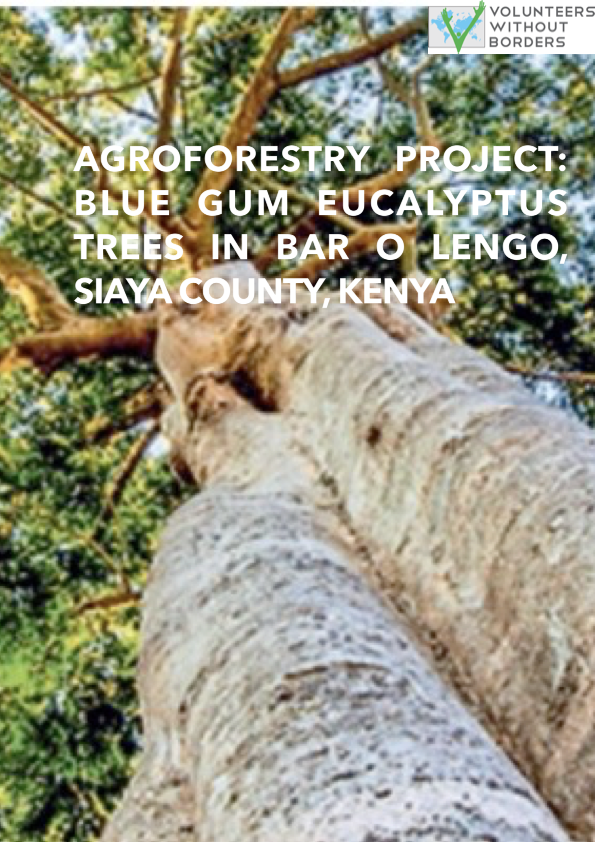
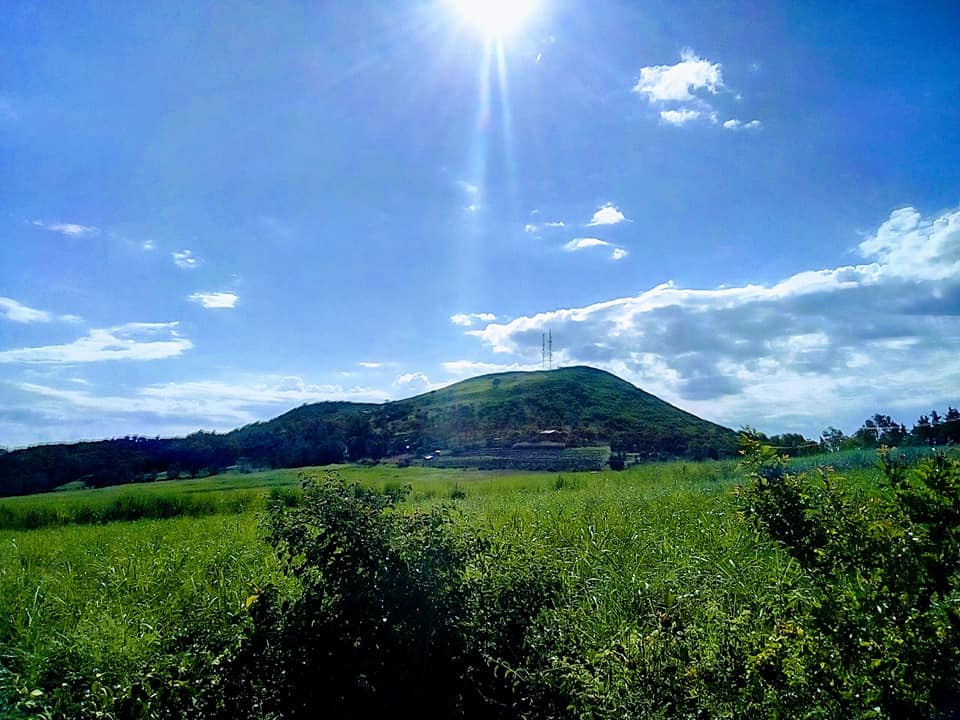
Support protection, monitoring, and conservation planning for the Bar O Lengo/Lake Kanyaboli ecosystem in Siaya County.
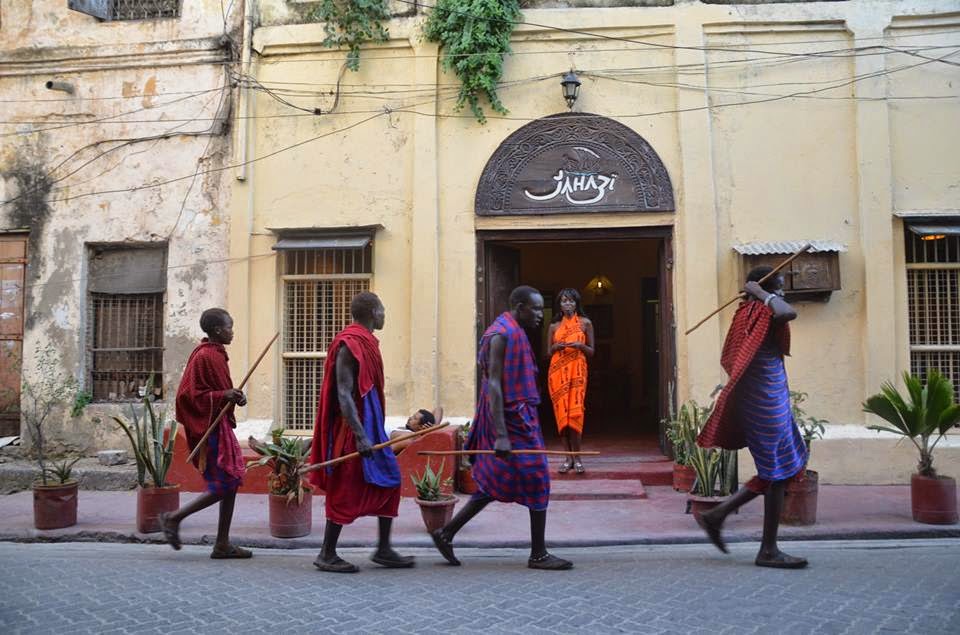
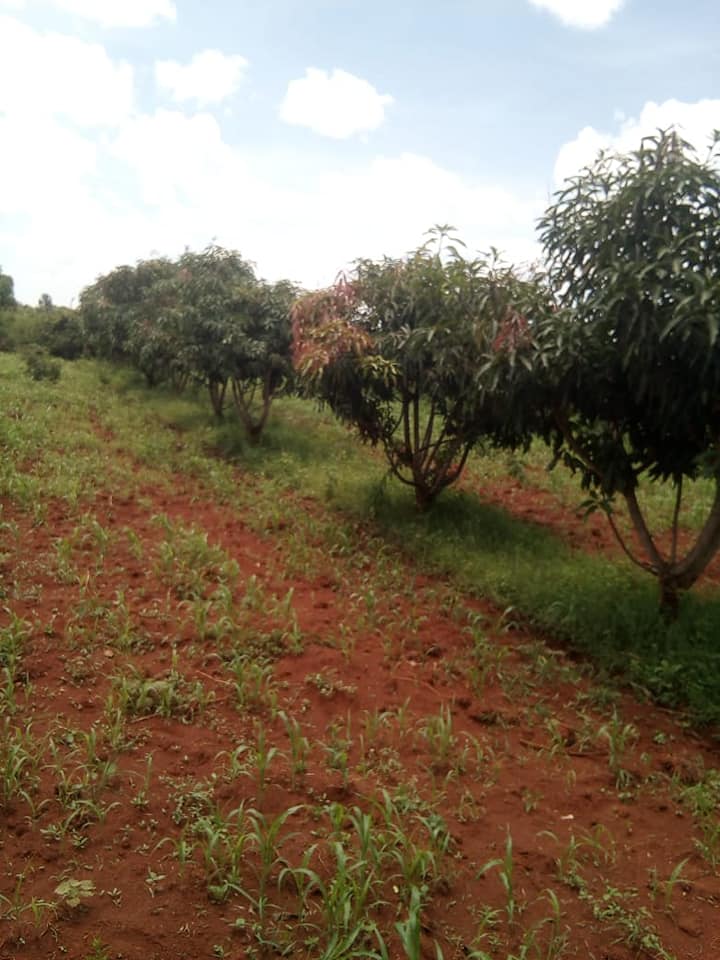
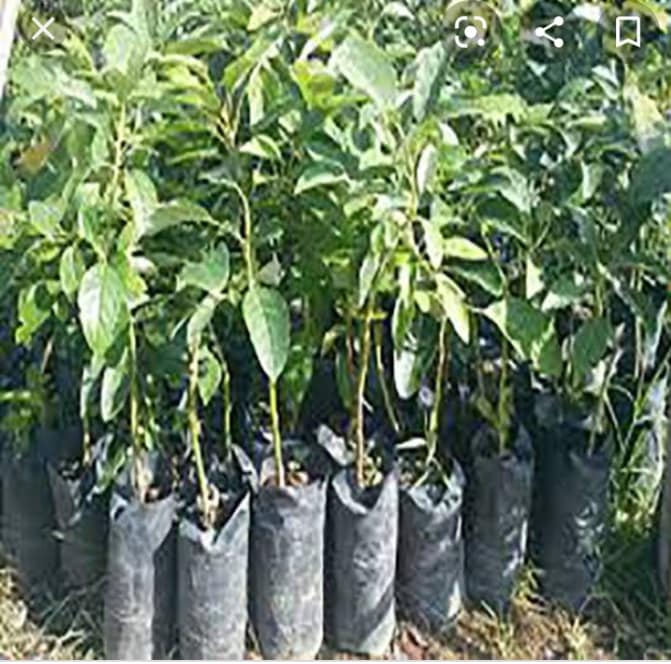
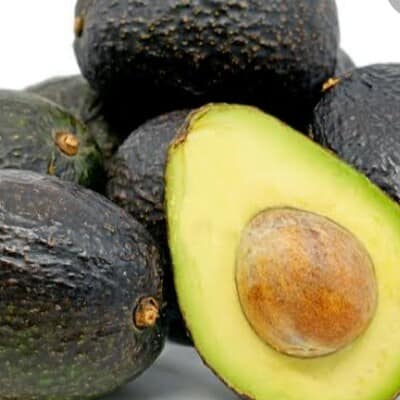
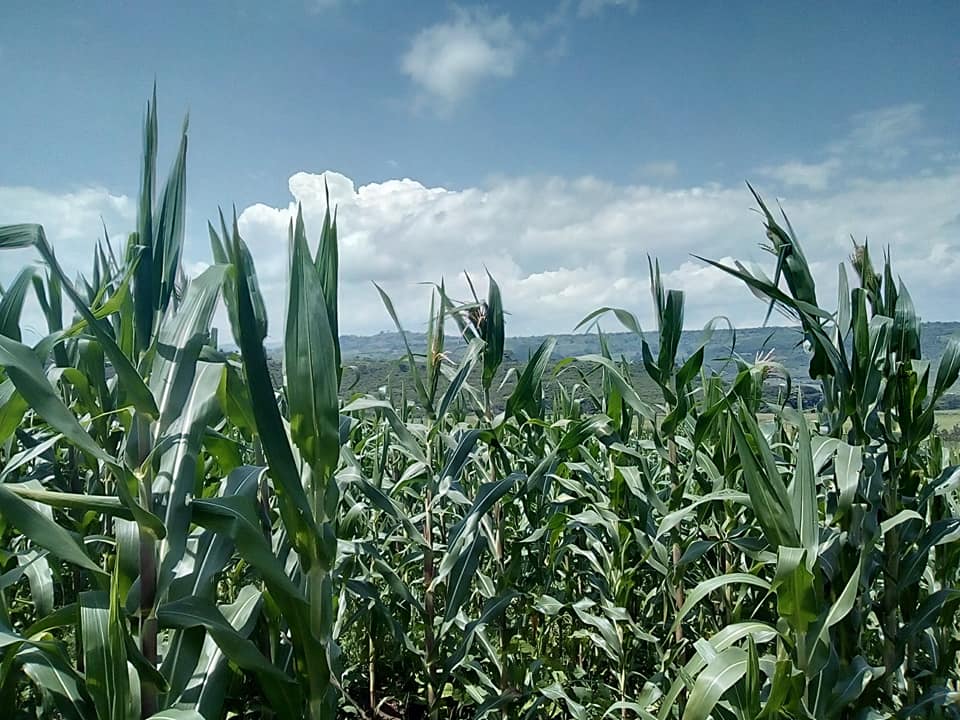
Help VWB Kenya structure land rental opportunities for avocado cultivation, water access, and sustainable local income.
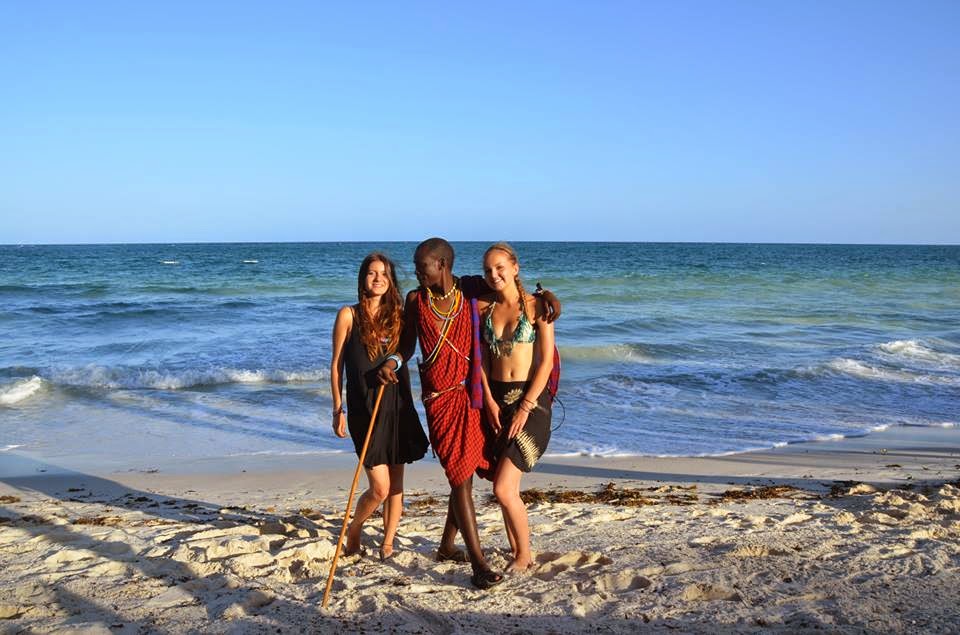
Support youth and women empowerment, sexual violence prevention, healthcare access, and survivor support.
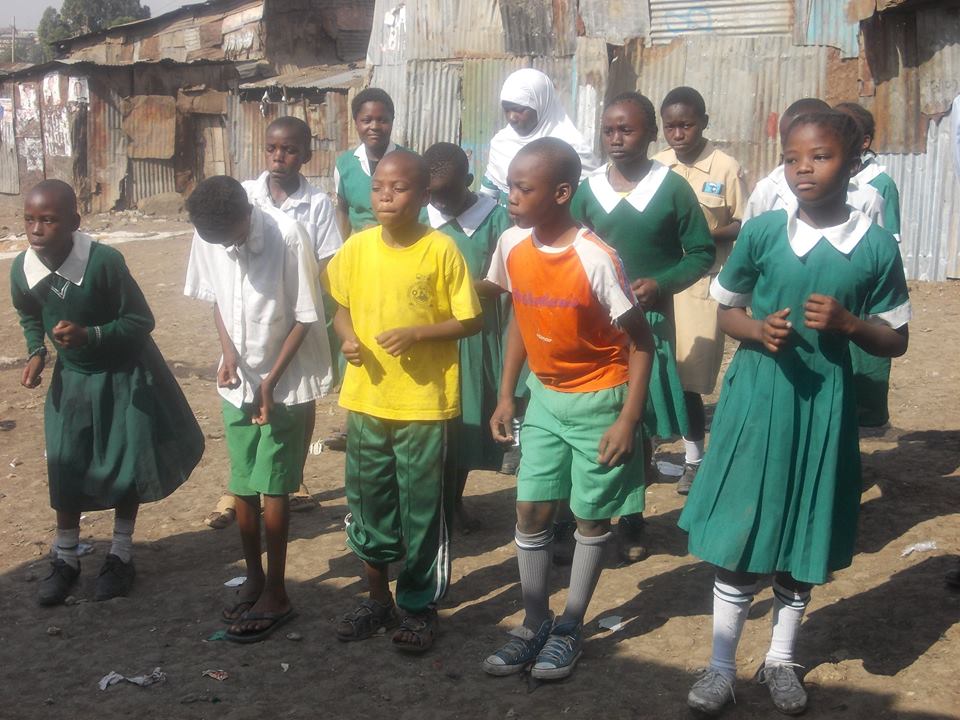
Fund AfricaConnect learning mobility, skills exchange, virtual learning, internships, and cross-cultural collaboration.
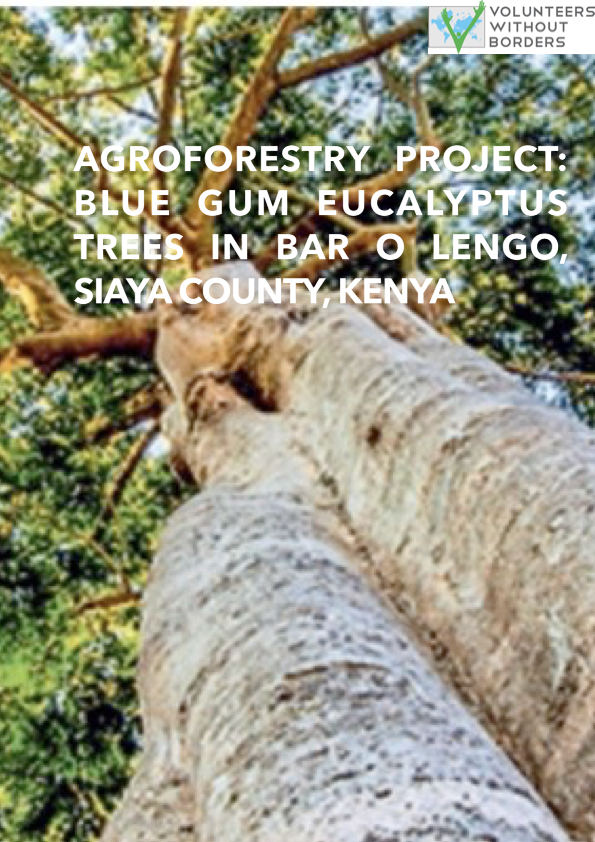
The Blue Gum Eucalyptus project is now positioned as a conservation and land stewardship effort. Partner support can help the organization protect tree cover, monitor the ecosystem, prevent harmful encroachment, and connect the work with the wider Lake Kanyaboli conservation plan.
VWB Kenya is seeking partners for a five-year conservation effort around Bar O Lengu and Lake Kanyaboli. The program protects the biosphere, supports small-scale fishers, and helps preserve threatened wildlife including the sitatunga antelope.
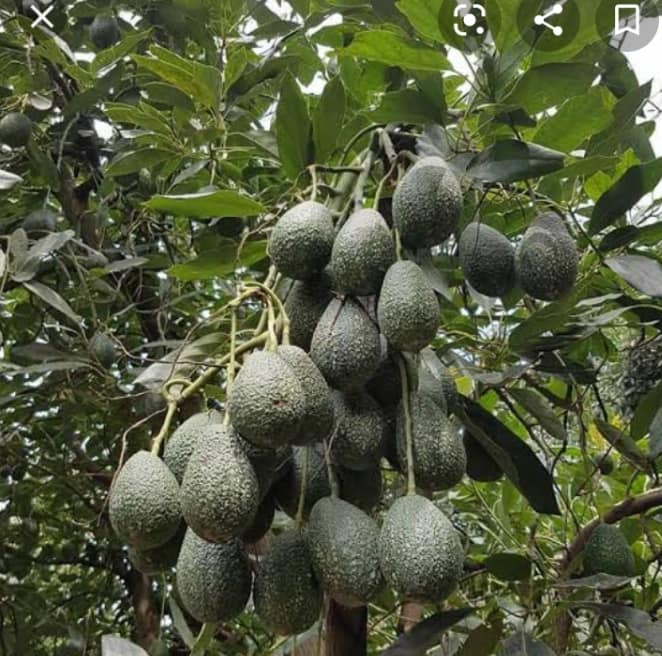
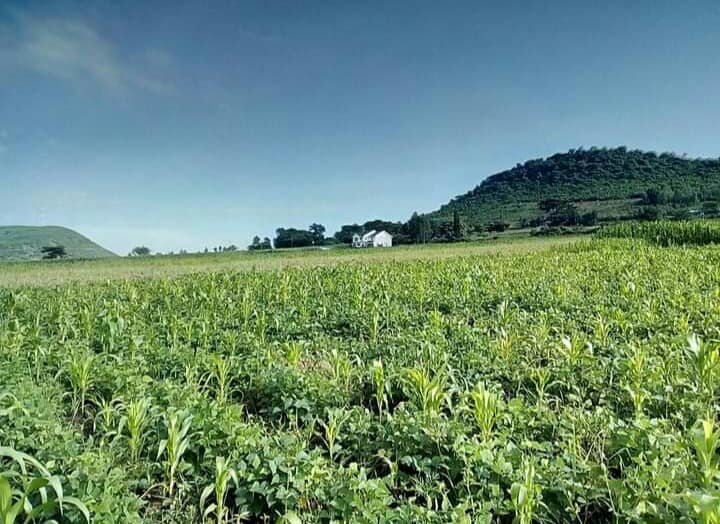
VWB Kenya is developing land rental arrangements as a responsible income pathway. The lease opportunity focuses on avocado cultivation across parcels in Barolengo, Ovambo, and Malanga, with boundaries, water access, land condition, and existing features confirmed during a joint inspection.
| Parcel name | Location | Appropriation | Size | Land reference number |
|---|---|---|---|---|
| Barolengo | Nyanza Province | Avocado cultivation | To confirm | To confirm |
| Ovambo | Nyanza Province | Avocado cultivation | To confirm | To confirm |
| Malanga | Nyanza Province | Avocado cultivation | To confirm | To confirm |
| Payment | Due date | Amount |
|---|---|---|
| 1st quarter | January 1 | 25% of annual rent |
| 2nd quarter | April 1 | 25% of annual rent |
| 3rd quarter | July 1 | 25% of annual rent |
| 4th quarter | October 1 | 25% of annual rent |
EmpowerHer is a comprehensive initiative designed to address critical issues affecting youth and women in Siaya County and surrounding communities. The project seeks USD 49,000 to build confidence, self-sufficiency, safety, and healthier futures.

AfricaConnect is designed to foster learning mobility, innovation, and cooperation between Africa and the European Union. Through exchange, digital learning, scholarships, internships, and cultural collaboration, the initiative equips young people with globally relevant skills.
Support community programmes in Siaya and build a lasting connection to the work. Choose a supporter package or explore a personal tree dedication.
Choose a supporter badge to contribute through our secure Stripe donation page. Enter your chosen contribution amount at checkout. For Adopt a Tree, contact our team first to agree the sponsorship details.
A personal connection to community-led work.
Hear directly about the work your support helps make possible.
Help strengthen the connections behind lasting community programmes.
Support a defined activity and hear from the people coordinating it.
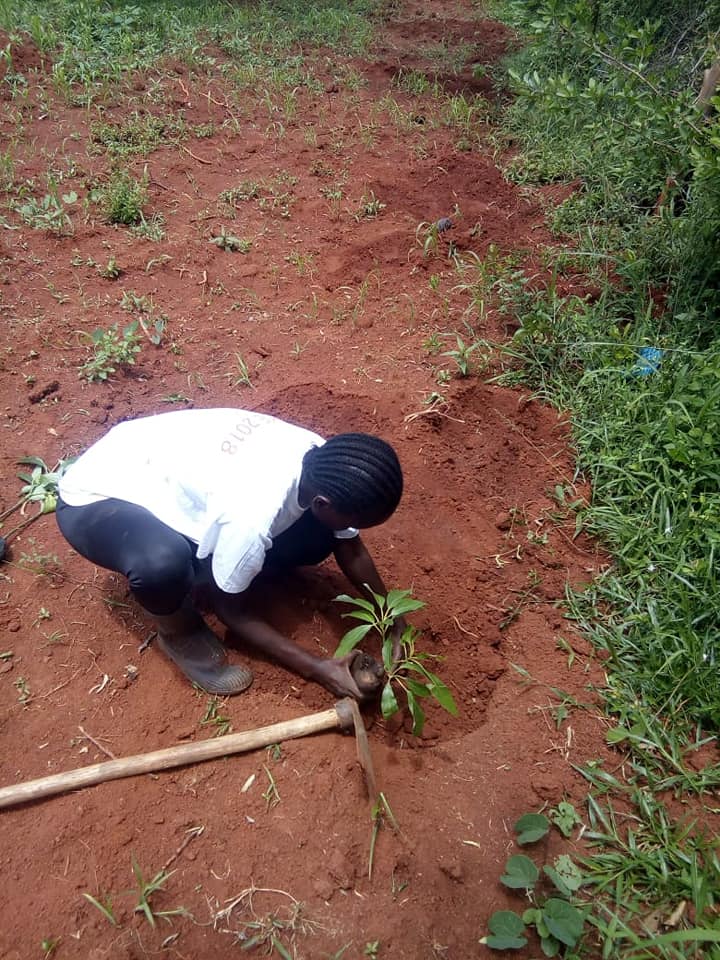
Dedicate a tree to someone you love, celebrate a milestone, or support a living legacy in Siaya. Your sponsorship can help fund the tree’s care and the restoration work around it.
After contributing, email our programme team with your selected tier and payment receipt so we can arrange your certificate, updates, and other supporter benefits. Online briefings are scheduled with the team; public recognition is optional.
Adoption is a symbolic sponsorship and dedication. It does not transfer ownership of a tree or land, harvest rights, or a financial return. Before you contribute, our team will confirm the available tree, whether it is newly planted or already growing, its species, the care period, update schedule, and the arrangements if it dies or is damaged. Any planned harvesting will be disclosed before sponsorship is agreed.
Tree sponsorship supports an agreed care and conservation package; it is not sold as a carbon offset.
Prefer to support the work without a reward? Give without a reward. Organisations can discuss a Corporate Canopy Partnership.
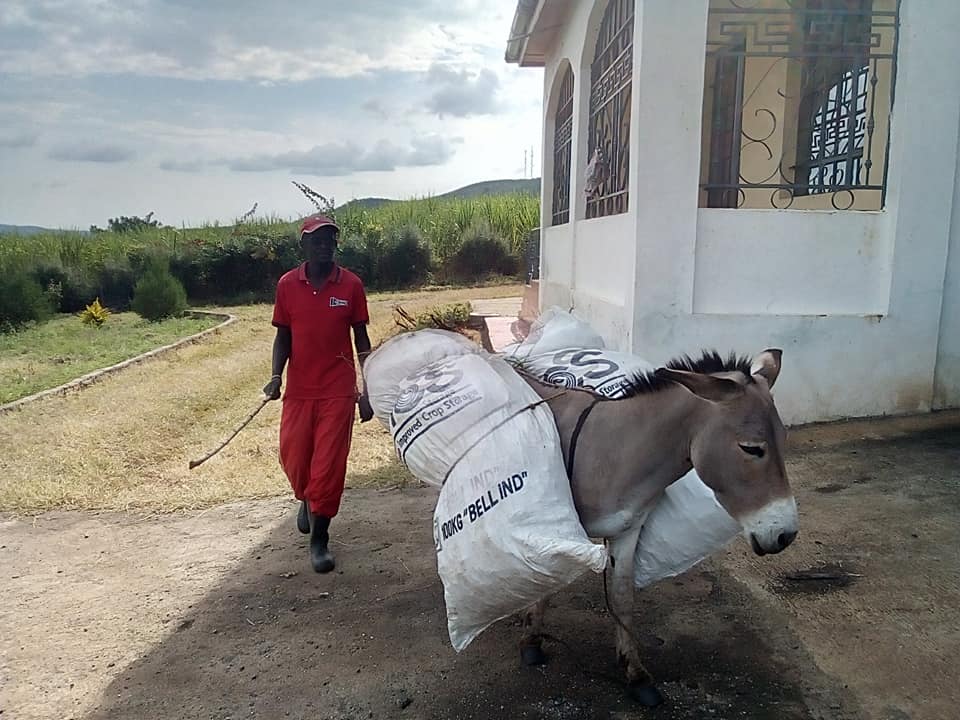
Support can be financial, practical, professional, or in-kind. The most helpful partnerships make community work stronger while also building the assets that keep it going.
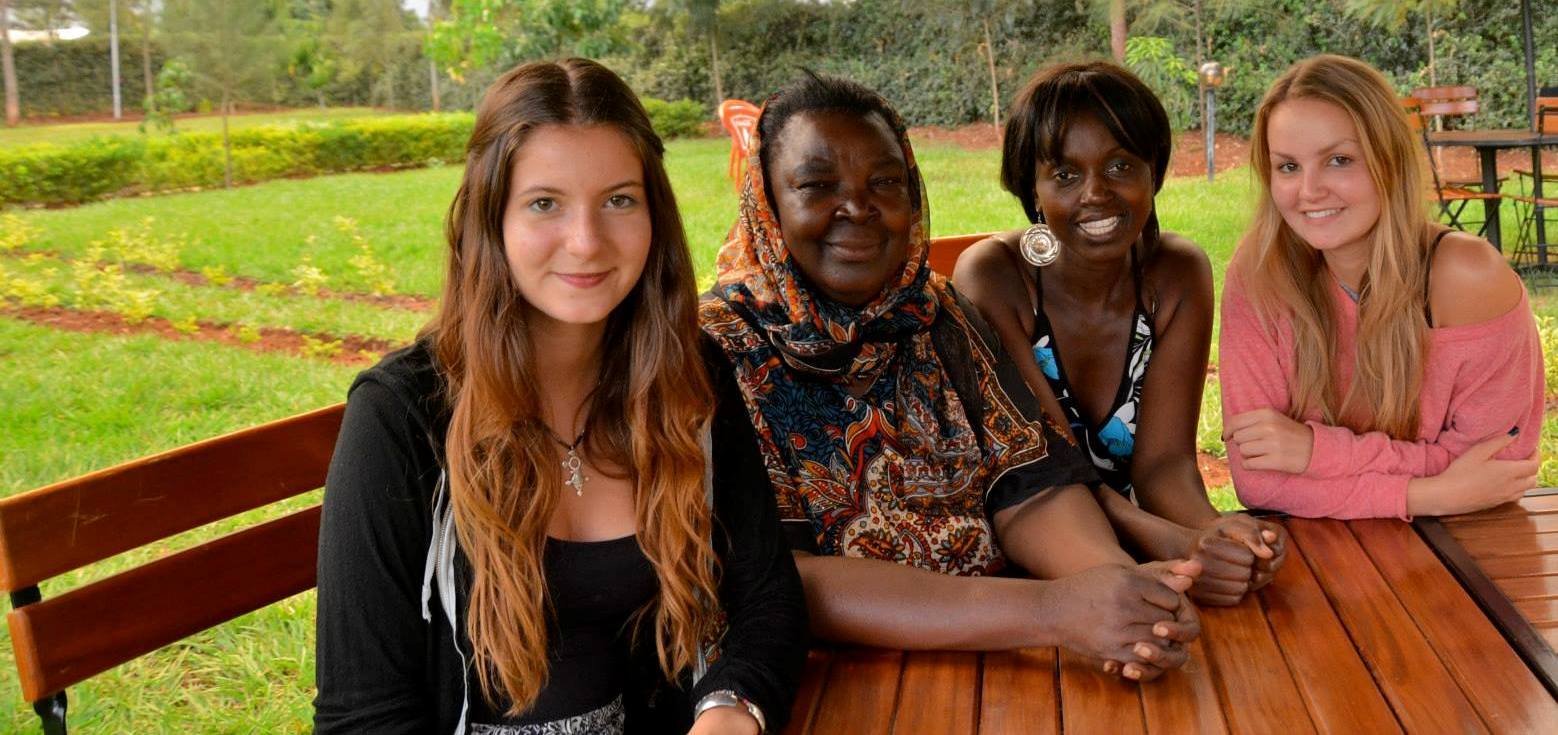

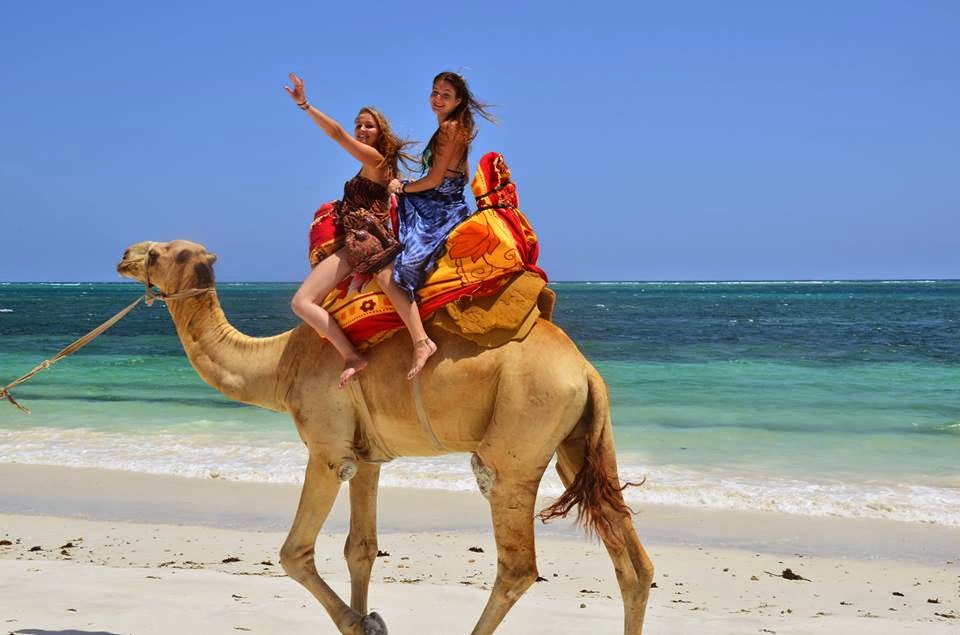
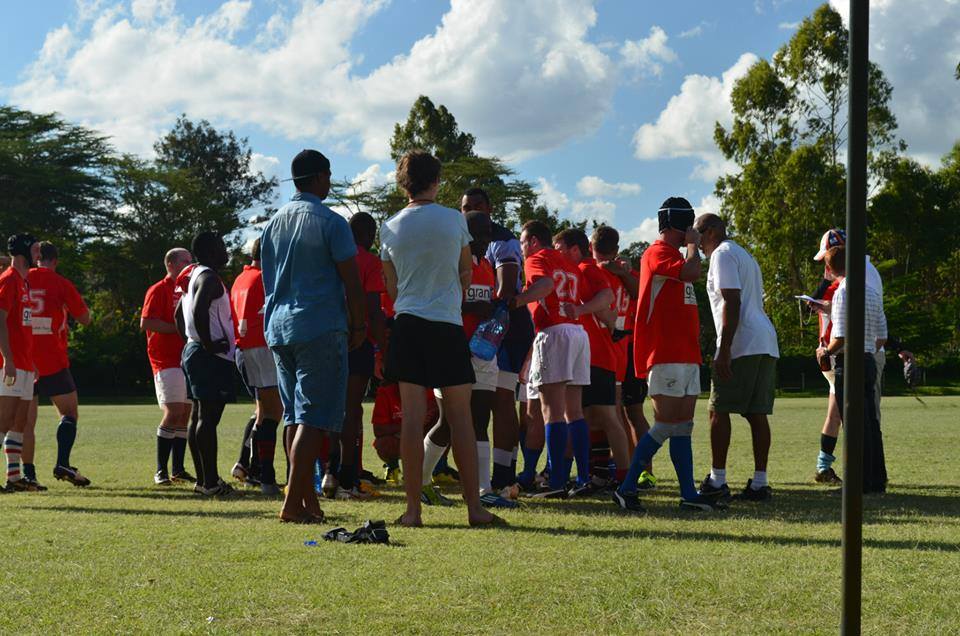



Online donations are processed through the secure payment link below. Partnership conversations can be directed to the Director of Programmes or the Board Secretary.
Effective Date: June 4, 2026
Volunteers Without Borders Kenya ("VWB Kenya", "we", "our", or "us") respects your privacy and is committed to protecting your personal information.
This Privacy Policy explains how our Facebook application, "Help Us Help Them!", collects, uses, stores, and protects user information.
When you interact with our Facebook application, we may collect:
Information collected may be used to:
Volunteers Without Borders Kenya does not sell, rent, or trade personal information.
Information may be shared only:
We take reasonable technical and organizational measures to protect personal information from unauthorized access, disclosure, alteration, or destruction.
We retain personal information only for as long as necessary to fulfill the purposes outlined in this policy or as required by law.
Users may request:
Users may request deletion of their personal information by sending an email to: privacy@volunteerswithoutborders-kenya.org
Subject Line: Data Deletion Request
Please include your full name and any information that will help us identify your records.
We will review and process requests within a reasonable period and in accordance with applicable laws.
Our application may use services provided by Facebook and other third-party providers. These services are governed by their own privacy policies.
We may update this Privacy Policy from time to time. Any updates will be posted on this page with a revised effective date.
Volunteers Without Borders Kenya
Website: https://volunteerswithoutborders-kenya.org
Email: info@volunteerswithoutborders-kenya.org
For privacy-related inquiries: privacy@volunteerswithoutborders-kenya.org